
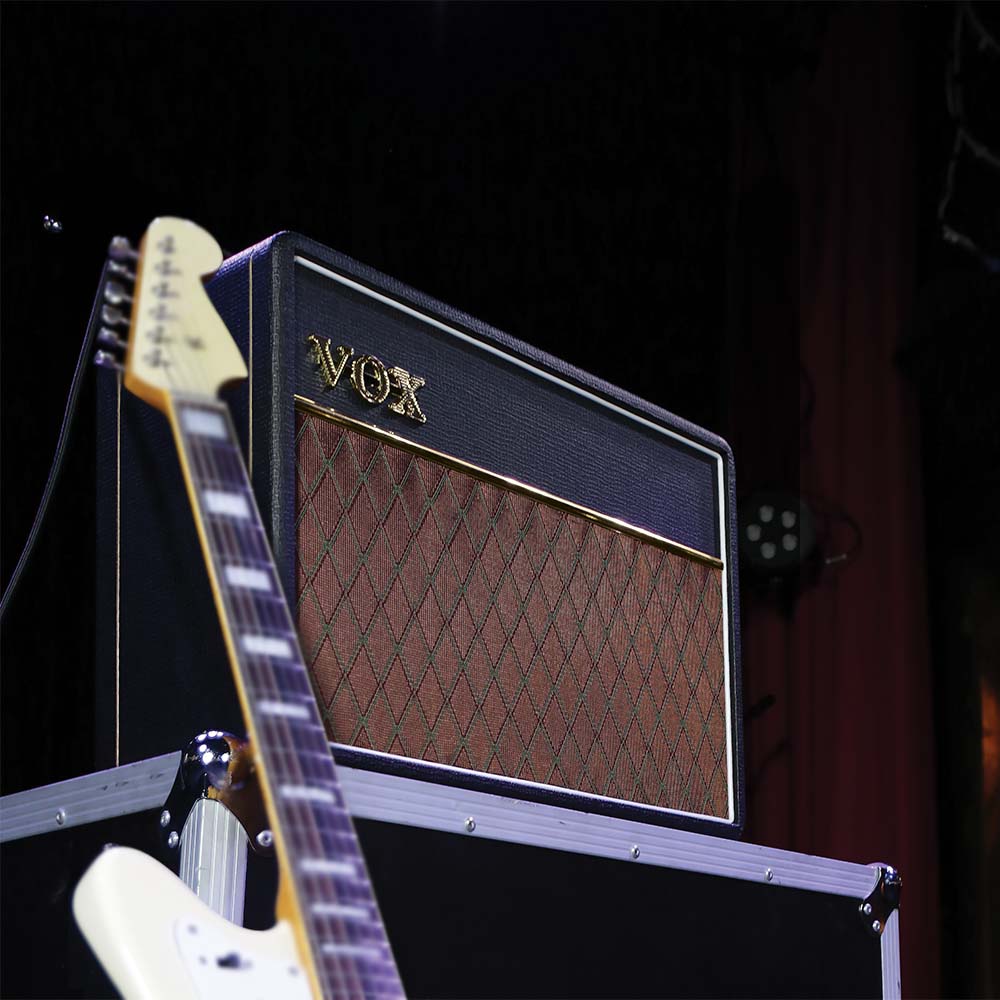
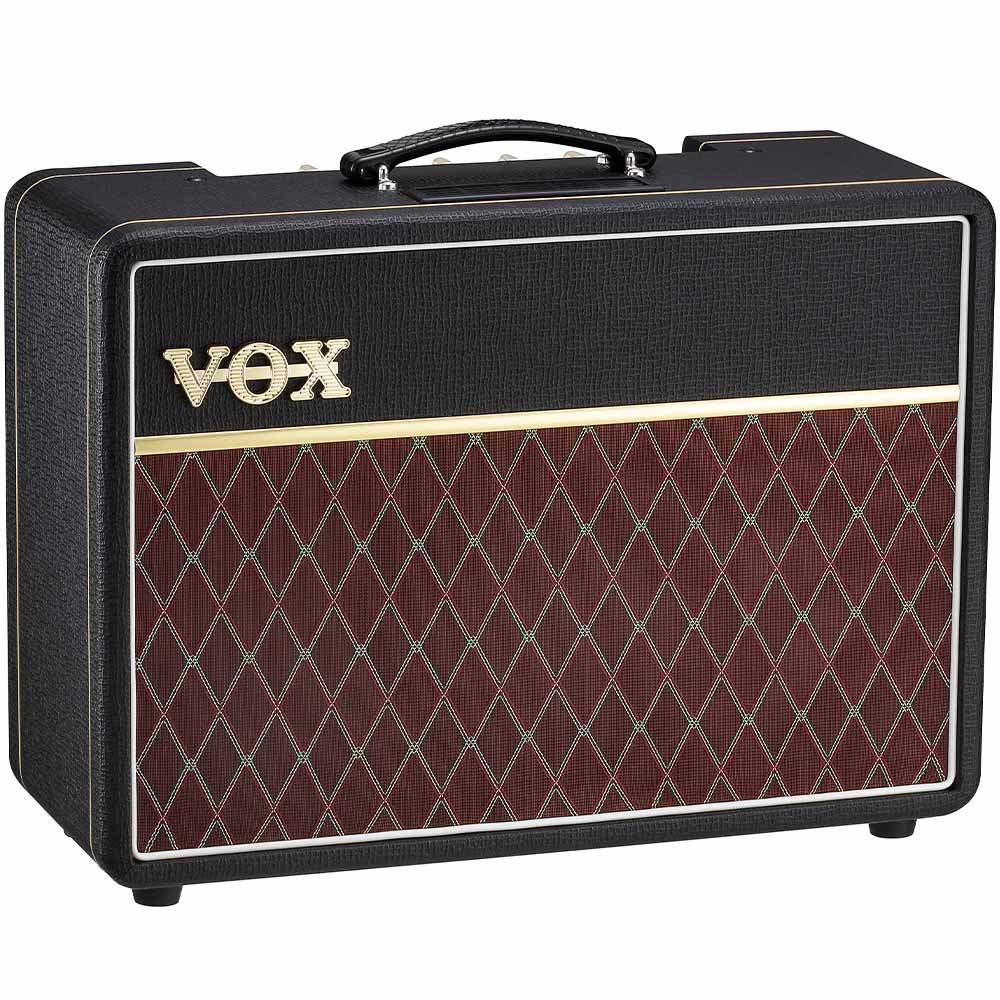
VOX AC10C1 - B-stock
6,195 SEK4,495 SEK
Lowest price in the last 30 days6,195 SEKClassic 10-watt guitar combo—tube-powered with a 10" speaker
. The AC10 was one of the first VOX models ever produced and has long been appreciated for its rich tone and compact design.
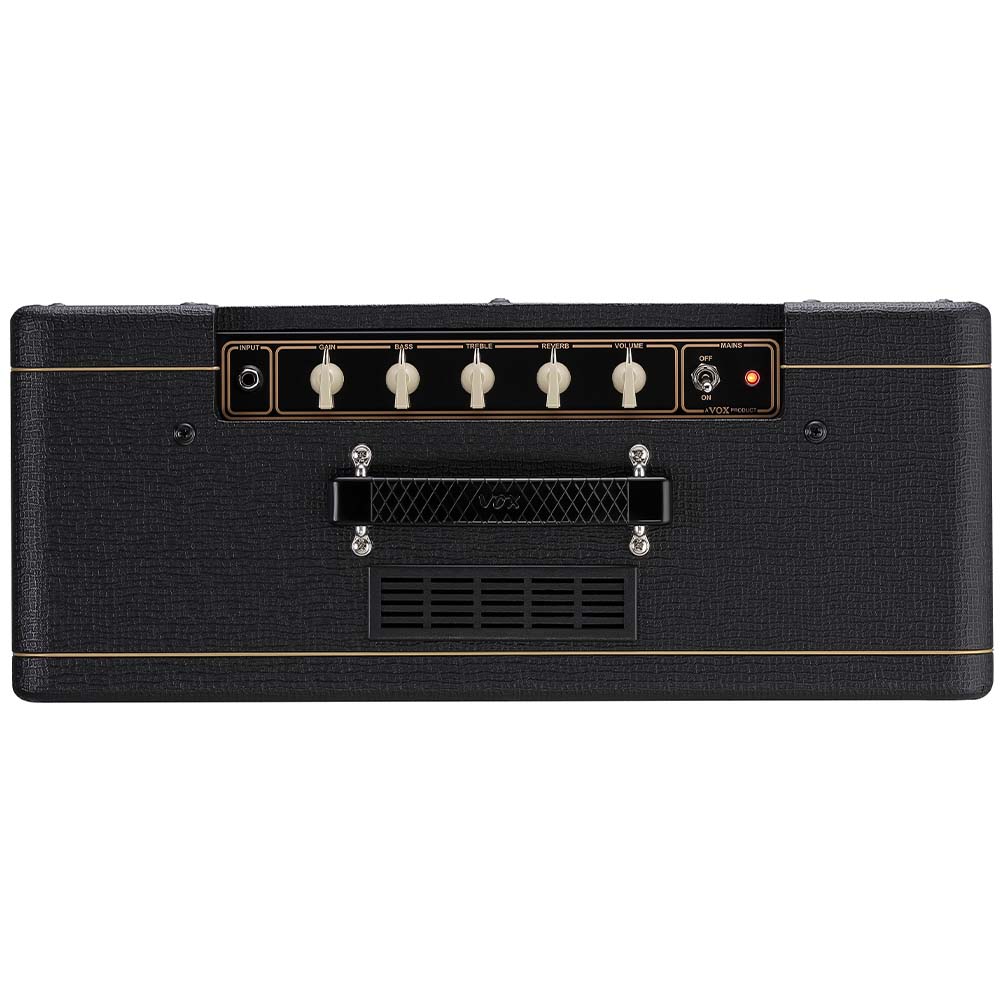
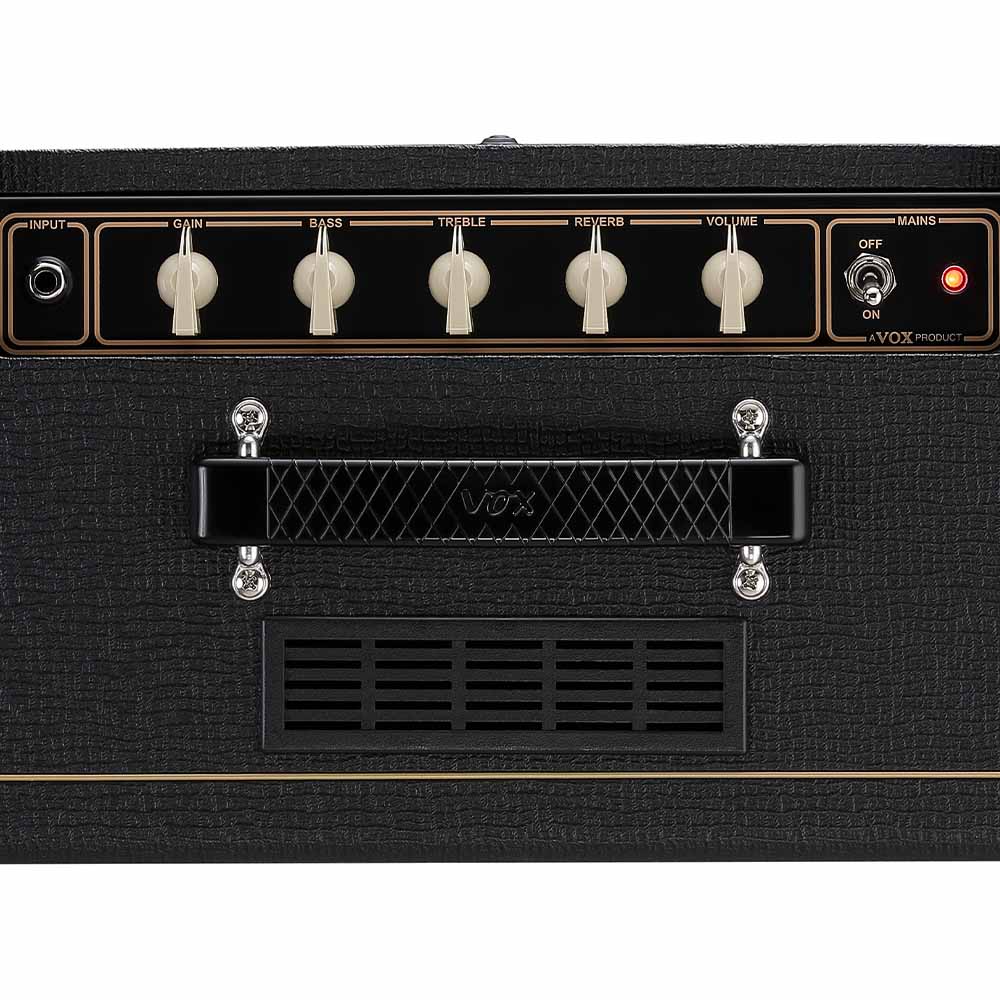
Just like the original, this modern version features the classic Top-Boost channel but has also been equipped with useful features such as Master Volume and Reverb.
A perfect amplifier for home, studio, or stage use.
- Secure payment by card
- E-mail us, we reply swiftly!
The item you want is out of stock? Contact us för availability.
Description
Article no.: 8044690
Specifications AC10-C1:
Power: 10 W RMS
Type: Tube amplifier
Tube configuration: 2x 12AX7 & 2x EL84
Speaker: 1 x 10″ Celestion VX10
Channels: Normal & Top-boost
Effects: Reverb
Weight: 12.3 kg
Width: 520 mm
Height: 410 mm
Depth: 210 mm
Volume & Gain controls
Output for external speaker
Input for VFS2 footswitch (not included)
Classic VOX look
Vox—The obvious choice for rockers since the ’60s!
The story begins as early as 1957, when a young guitarist named Dick Denney started working at JMI Corporation in England. Dick recognized the need for a powerful guitar amplifier as rock music became increasingly dominant on stages around the world. The result of this insight was the Vox AC30, which went into production in 1960 and is arguably the world’s most famous combo amplifier. The Beatles got their first units in 1962 and used the model throughout their entire career. Brian May of Queen has been loyal to Vox since 1972, and both The Edge of U2 and Lenny Kravitz are die-hard Vox users. Among newer bands with Vox amplifiers in their backline are the Foo Fighters, who never hit the road without their AC Hand-Wired models safely packed in the tour truck.
Dick Denney has had a greater influence on today’s guitar amplifiers and effects than one might think. Among other things, he invented the “816 Booster,” a precursor to the “Fuzz Face.” He’s also the man who built the “Super Beatle” amp for The Beatles ahead of their blockbuster performance on The Ed Sullivan Show in 1964—and it’s actually from this amp that the wah-wah pedal originated. One day, while Vox technician Brad Plunkett was fiddling with a Super Beatle, a completely new and unique effect emerged. This became the inspiration for the first Wah-Wah pedal, which Vox released in 1967. However, the executives at Vox misunderstood the pedal’s intended use and thought it was for a trumpet. As a joke, the guitarists then contacted a trumpeter named Clyde McCoy and offered him $500 if they could name the pedal after him and put his face on it—which they were allowed to do. So the first pedals to hit the market were simply called the “Clyde McCoy Wah Wah”—and are likely the very first signature model and sponsorship deal ever.
Want to play a piece of authentic rock history that still delivers gear of the absolute highest quality today? Play VOX!